Two Daily Dietary Habits Recommended for Gut Microbiome Support
04/28/2026 / By Coco Somers
Introduction
Registered dietitian nutritionist Molly Knudsen recommends two daily dietary habits for supporting the gut microbiome, according to a March 2026 article. The habits focus on the daily consumption of fermented foods and prebiotic fibers.
Gut health is linked to digestion, immunity, and metabolic function, according to research cited by Knudsen. Doing so should not be overwhelming or time-consuming, the dietitian stated, with everyday dietary habits playing one of the biggest roles in shaping gut health.
Habit 1: Daily Fermented Food Consumption
Fermented foods are one of the easiest ways to introduce beneficial live microorganisms into the diet, dietitian Molly Knudsen said. A goal of one serving a day is presented as practical. [1]
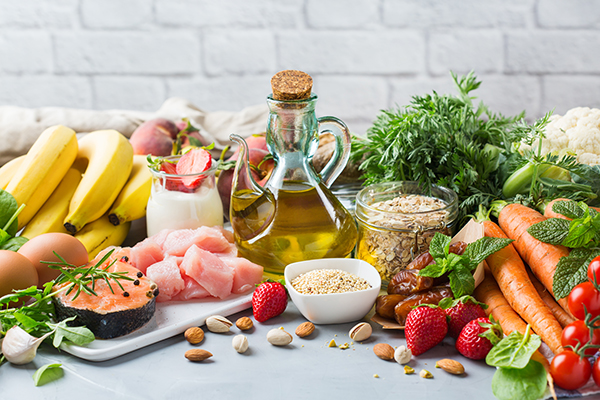
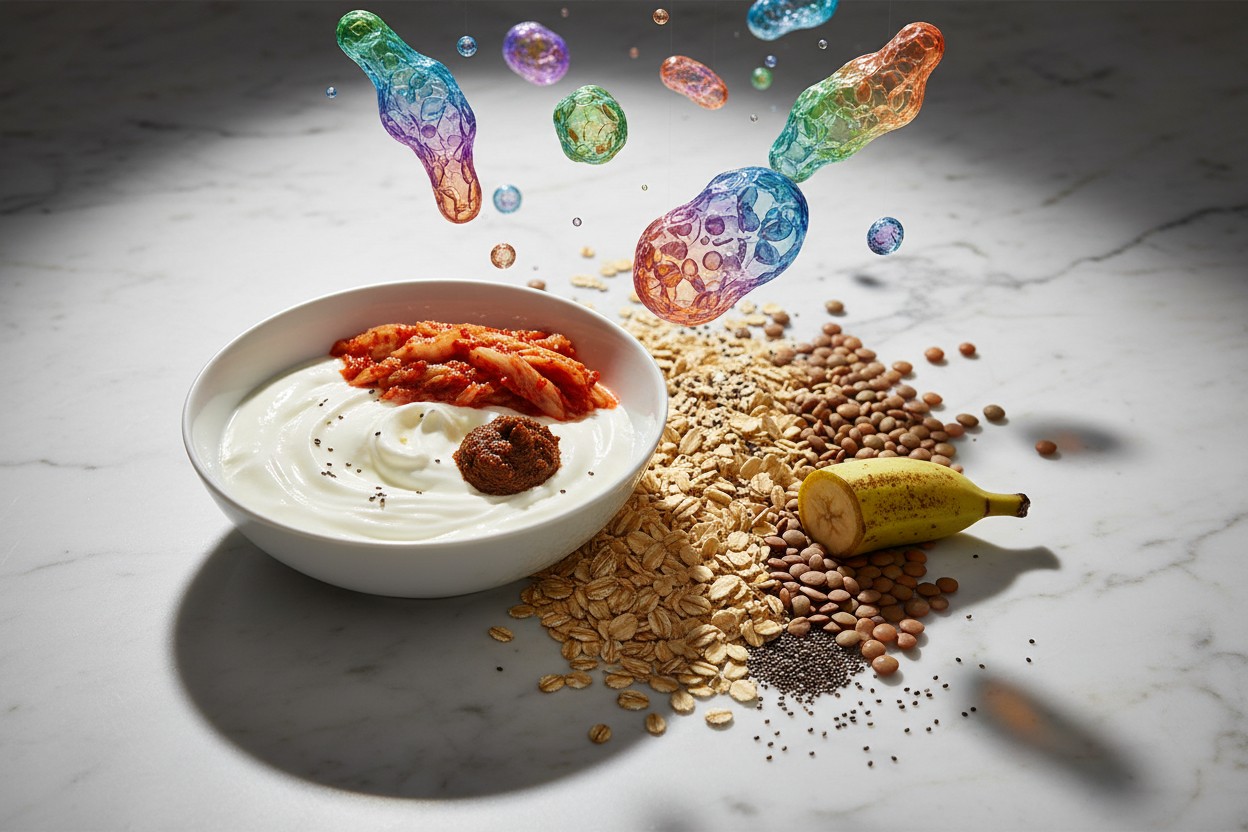
Easy options include half a cup of yogurt or kefir, roughly half a cup of sauerkraut or kimchi, or one to two tablespoons of miso paste, according to the recommendations. These foods can be added to breakfast bowls, grain bowls, eggs, soups, or salad dressings.
The Science Behind Fermented Foods
During fermentation, bacteria and yeasts break down sugars in foods and produce compounds that support gut health, Knudsen explained. Many fermented foods also contain live microorganisms, which can temporarily add to the population of beneficial microbes in the gut.
Studies suggest that regularly consuming fermented foods may help increase microbiome diversity, a key marker of gut health linked to improved digestion and immune function, according to the article. The human gut acts as a second brain, providing input that affects mood, well-being, and immune responses, as noted in other health literature. [2]
Habit 2: Including Prebiotics in Two Meals Daily
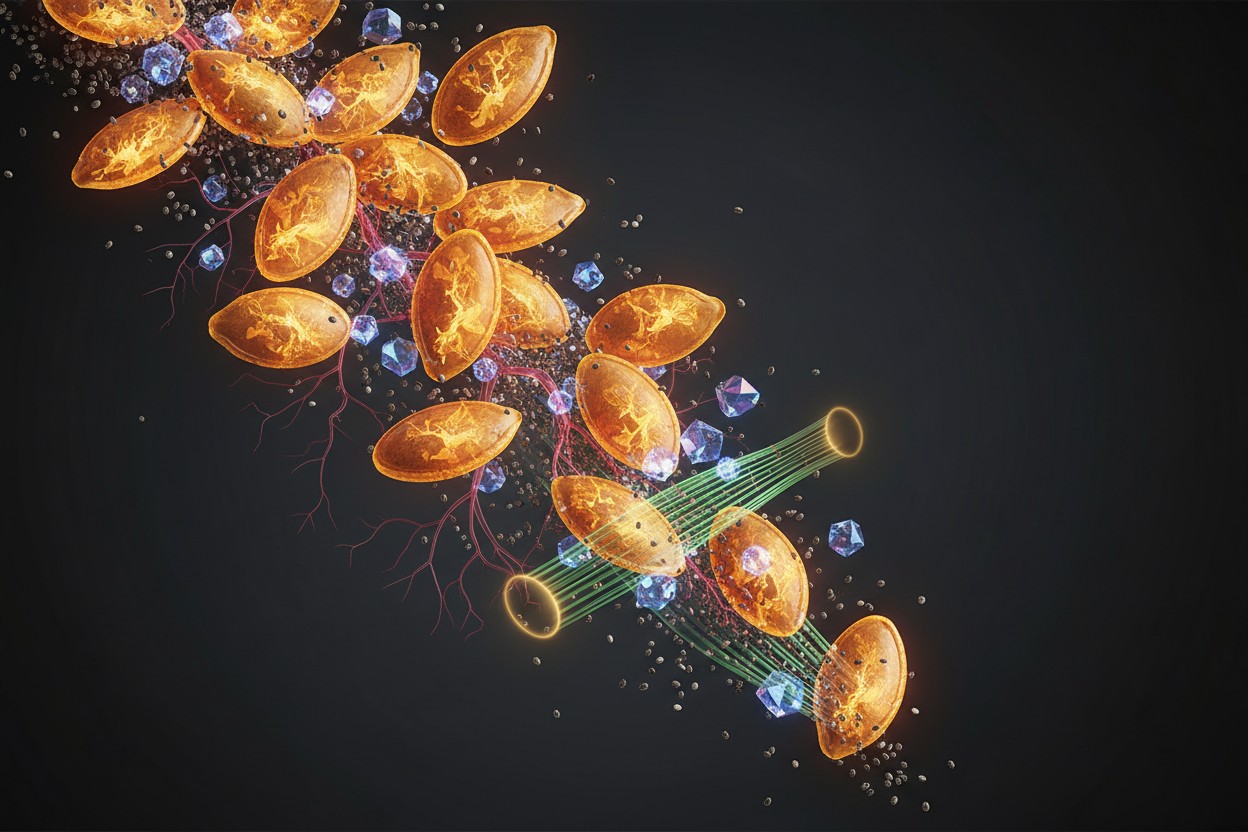
While fermented foods add beneficial microbes, fiber and resistant starches help feed the ones already living in your gut, Knudsen stated. A helpful goal is to include one source of these prebiotic fibers at two meals per day.
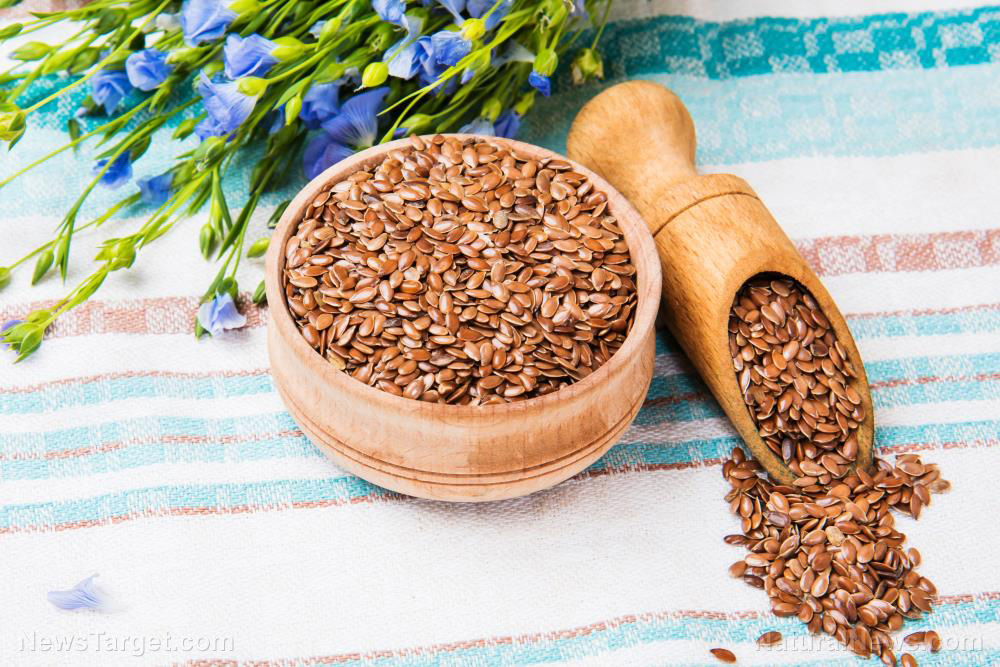
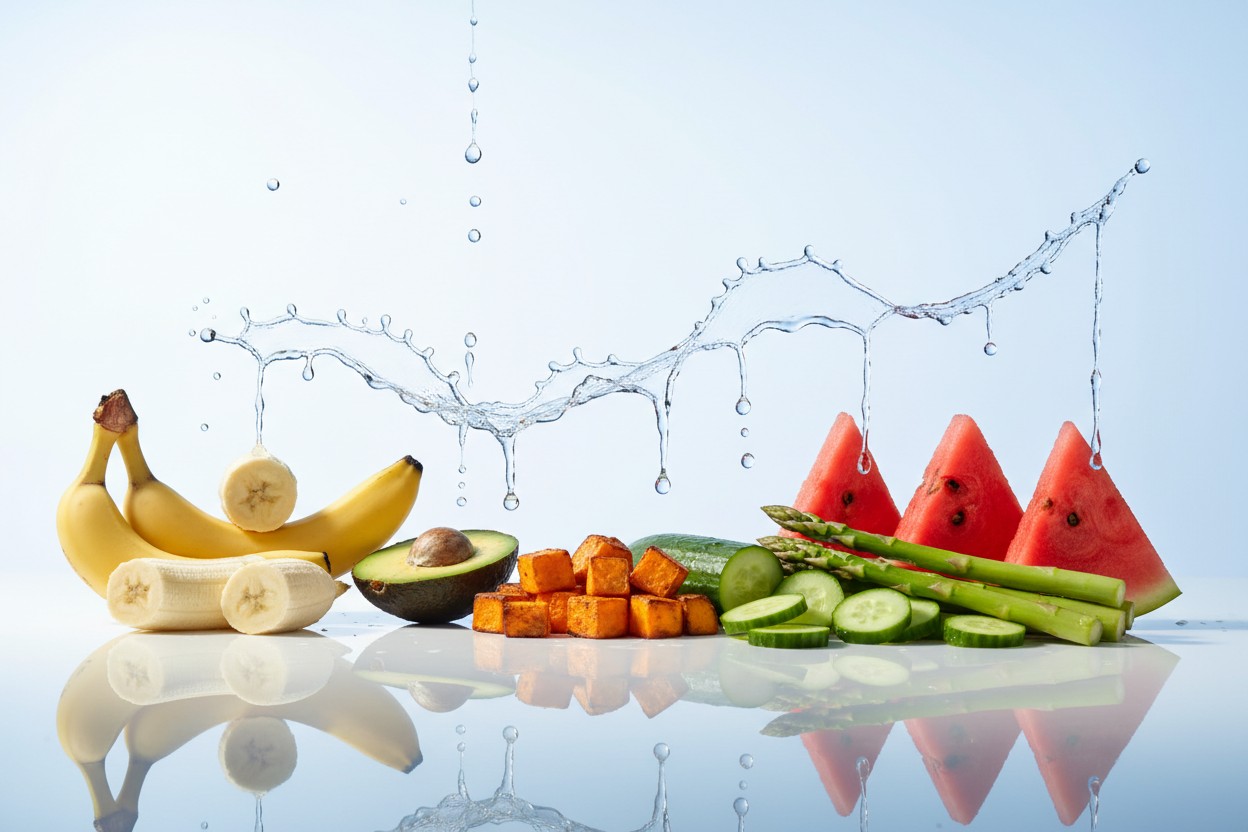
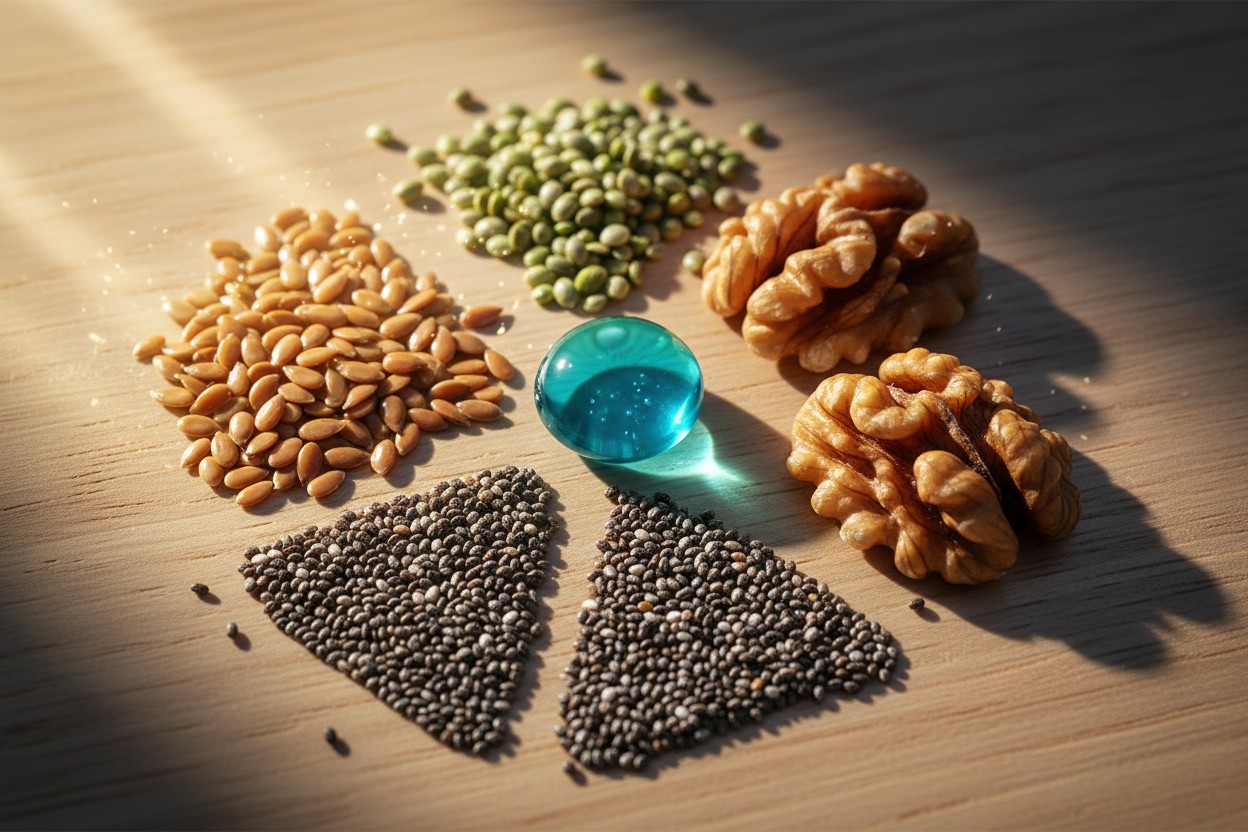
Foods that act as prebiotics include half a cup of oats or barley, half a cup of beans or lentils, one tablespoon of chia seeds or ground flax, a small slightly green banana, or half a cup of cooked and cooled potatoes, according to the dietary advice. [1]
Supplementation and Practical Application
In addition to including more prebiotic foods, a supplement can provide more targeted support, the article notes. A specific product cited provides 9 grams of dietary fiber from Fibersol-2, a clinically studied prebiotic fiber. Taking this fiber daily has been linked to increases of beneficial Bifidobacterium populations, according to the source material.
Knudsen emphasized consulting healthcare providers before starting a supplement routine, particularly for those who are pregnant, breastfeeding, or taking medications. The dietitian stated it is always optimal to consult with a health care provider when considering what supplements are right for an individual.
Conclusion
Improving gut health does not require drastic changes, according to dietitian Molly Knudsen. Making two tweaks to the diet by including both probiotic-rich and prebiotic foods is presented as a practical and science-backed way to improve the gut microbiome.
The article concludes by reiterating the recommendation for these two daily dietary habits: consuming at least one serving of fermented foods and including prebiotic fibers in at least two meals.
References
- 2 Easy Daily Habits That Support Your Gut Microbiome. – mindbodygreen.com. Molly Knudsen. March 12, 2026.
- Feed Your Gut Microbes Well Lest They Feed on You. – Mercola.com. December 14, 2016.
- The Energy Paradox: What To Do When Your Get Up And Go Has Got Up and Gone. – Dr. Steven R. Gundry.
- Dietary fibres as “prebiotics”: Implications for colorectal cancer. – Mol. Nutr. Food Res.
- Good gut health comes from good bacteria do you need BOTH probiotics and fermented foods. – NaturalNews.com. July 20, 2019.
- Gut bacteria imbalance linked to colon cancer risk, but diet and exercise offer a path to prevention. – NaturalNews.com. February 18, 2026.
- Brighteon Broadcast News. – Mike Adams – Brighteon.com.
- Fiber Fueled: The Plant-Based Gut Health Program for Losing Weight, Restoring Your Health and Optimizing Your Microbiome. – Will Bulsiewicz.
Submit a correction >>
Tagged Under:
alternative medicine, diet, dietary fiber, fermented foods, food cures, food is medicine, food science, gut health, gut microbiome, health science, natural cures, natural health, natural medicine, Naturopathy, nutrients, nutrition, prebiotics, remedies, tips
This article may contain statements that reflect the opinion of the author
RECENT NEWS & ARTICLES